 Posted by
In recent years, the fashion industry has seen a significant shift towards sustainability. This isn’t just a trend; it’s a movement. Everyone from high-end designers to fast fashion brands is jumping on the eco-friendly bandwagon. Why? Because consumers are demanding it. The younger generations, in particular, are more environmentally conscious and they’re not afraid to put their money where their mouth is.
Eco-friendly fabrics like organic cotton, bamboo, and recycled polyester are becoming staples in many collections. These materials not only reduce the environmental impact but also offer unique qualities that appeal to today’s savvy shoppers. Organic cotton, for instance, is grown without harmful pesticides and synthetic fertilizers, making it kinder to both the planet and the skin. Bamboo, on the other hand, grows rapidly and doesn’t require much water, making it a sustainable alternative to traditional textiles.
But it’s not just about the materials themselves. The production processes are also getting a green makeover. More brands are adopting closed-loop systems that recycle water and minimize waste. Dyeing techniques are being revamped to use less water and fewer chemicals. All these efforts combine to create a more sustainable fashion ecosystem that doesn’t sacrifice style for sustainability.
Eco-friendly fabrics for the win
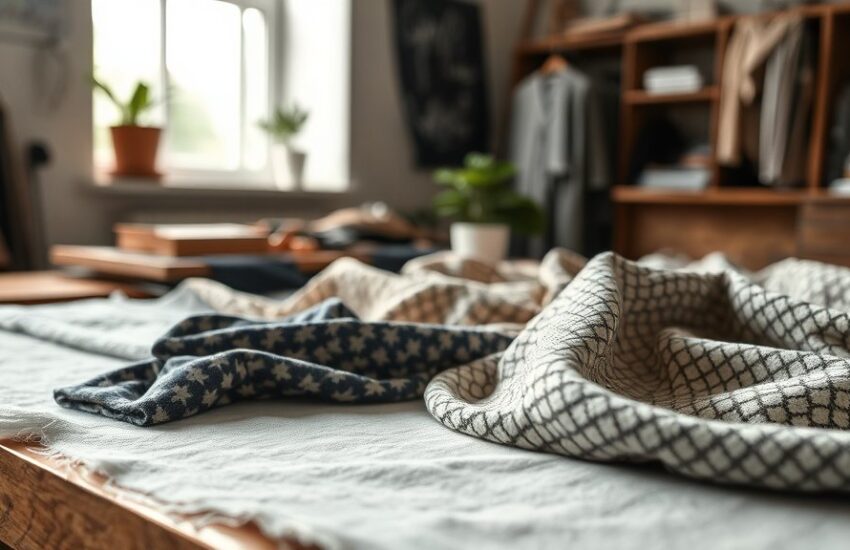
One of the stars of this sustainability show is linen. Linen fabric is durable, breathable, and ideal for summer clothing and home textiles like bed linens, curtains, and tablecloths. It’s known for its longevity and strength—qualities that make it a favorite among environmentally conscious consumers. Plus, linen has cooling and insulating properties, making it a versatile choice for various climates.
Linen’s moisture-absorbing capabilities are another reason it’s gaining popularity. It can absorb up to 20% of its weight in moisture without feeling damp. This makes it a great option for activewear and outdoor clothing. And let’s not forget its hypoallergenic and anti-static properties, which add to its appeal.
However, linen does have its quirks—it wrinkles easily and often requires frequent ironing. But many see this as a small price to pay for such an eco-friendly fabric. After all, who cares about a few wrinkles when you’re helping save the planet?
Synthetic materials aren’t what they used to be
When people hear “synthetic materials,” they often think of cheap, uncomfortable fabrics that are bad for the environment. But that’s changing. Innovations in textile technology have led to the development of high-quality synthetic fabrics that offer both comfort and sustainability.
Take faux fur, for example. Once considered a tacky substitute for real fur, modern faux fur fabric is incredibly realistic and luxurious. They’re made from synthetic fibers like polyester and acrylic, which can be engineered to mimic the texture and warmth of real fur without the ethical concerns.
And it’s not just faux fur that’s getting a makeover. Recycled polyester is another game-changer. Made from post-consumer plastic bottles, recycled polyester reduces waste and requires less energy to produce compared to virgin polyester. It’s being used in everything from activewear to formal attire, proving that synthetic materials can be both stylish and sustainable.
Blending green with glam in fashion
The fusion of sustainability and style is perhaps most evident in how designers are incorporating eco-friendly materials into high-fashion pieces. Gone are the days when sustainable fashion meant drab colors and shapeless designs. Today’s eco-friendly collections are vibrant, trendy, and downright glamorous.
Designers are experimenting with innovative materials like pineapple leather (Piñatex), mushroom leather (Mylo), and even fabric made from orange peels! These materials not only offer unique textures and aesthetics but also reduce waste by utilizing by-products from other industries.
Moreover, sustainable fashion brands are focusing on timeless designs that outlast seasonal trends. The idea is to create pieces that consumers will cherish for years rather than discard after a few wears. This approach not only reduces waste but also encourages a more mindful consumption pattern among shoppers.
The future of fashion looks responsible and stylish
The future of fashion is undeniably green. As technology advances and consumer awareness grows, we can expect even more innovative solutions to emerge in the textile industry. Sustainable fashion is no longer a niche market; it’s becoming the norm.
Brands that ignore this shift risk being left behind as consumers increasingly prioritize sustainability in their purchasing decisions. The fashion industry has a long way to go in terms of becoming fully sustainable, but the progress so far is promising.
In conclusion, the marriage of sustainability and style is transforming the fashion landscape. From eco-friendly fabrics like linen and bamboo to high-tech synthetics like recycled polyester and faux fur, the options are expanding every day. And with designers continually pushing the boundaries of what’s possible, there’s no limit to how stylishly sustainable our wardrobes can become.